Revised on June 17, 2026
Do You Offer PRP Spine Treatments?
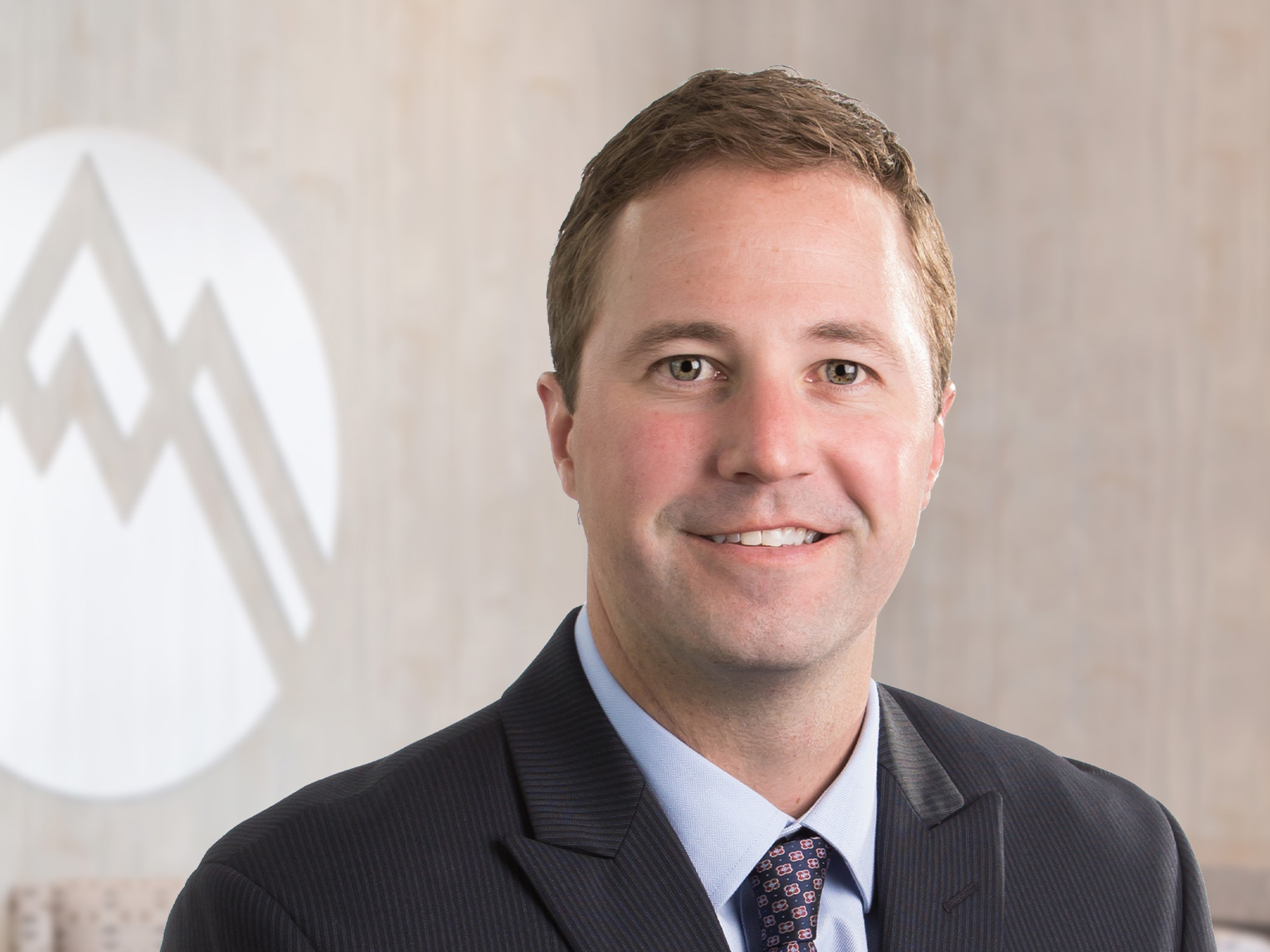
Orthobiologics, including platelet-rich plasma (PRP) therapy, offer promising new options for treating pain. PRP injections are used to address a variety of musculoskeletal conditions, but many patients wonder whether these treatments can also help with back pain. Pain medicine specialist Dr. Steven Stulc discusses how orthobiologics work and explains how Summit Orthopedics uses PRP spine treatments as a valuable nonsurgical option for certain types of back pain.
PRP therapy is one form of regenerative medicine used to treat certain musculoskeletal conditions. In spine care, PRP injections may be considered for specific causes of chronic back pain, including disc-related pain, joint pain, and some ligament injuries. While research continues to evolve, many patients are interested in PRP as a nonsurgical treatment option that may help reduce pain and improve function.
What Are PRP Treatments?
“Platelet-rich plasma treatments, commonly known as PRP, are attractive because the patient’s own platelets and growth factors are the treatment,” says Dr. Stulc. “This causes no systemic side effects like some other medicines and encourages your body to heal and repair itself more efficiently, which may help decrease pain.”
PRP therapy uses concentrated platelets from a patient’s own blood to support the body’s natural healing process. Research on orthobiologic treatments is still evolving, and additional high-quality studies are needed. However, recent research involving certain types of low back pain has shown encouraging results, with many patients experiencing improvements in pain and function. For patients who have exhausted other treatment options, PRP may offer another path forward.
When Are PRP Spine Treatments Considered?
“Many patients experience back pain and prefer to explore nonsurgical treatment options before considering surgery,” explains Dr. Stulc. “Physical therapy, activity modification, medications, and guided injections are often effective, but not every patient finds lasting relief. For some individuals, PRP therapy may provide another conservative treatment option to consider.”
PRP spine treatments can be performed in specific areas of the spine, including discs, joints, and supporting ligaments. By delivering concentrated growth factors directly to the affected area, PRP aims to create an environment that supports healing and may help reduce pain. While the duration of relief can vary from patient to patient, some studies have reported benefits lasting months or even years. For many individuals, PRP offers a conservative treatment option that may help delay or avoid surgery.
How PRP Spine Treatments Work
“PRP spine treatments can be used in select cases involving spinal discs, joints, or supporting ligaments,” says Dr. Stulc. “The goal is to create an environment that supports the body’s natural healing response by concentrating growth factors directly at the source of pain.”
Unlike steroid injections, which primarily focus on reducing inflammation, PRP is designed to stimulate the body’s healing process. Because some spine-related pain conditions can be difficult to treat with traditional therapies alone, regenerative medicine techniques such as PRP may provide another option for carefully selected patients.
Studies Comparing Steroid Treatments and Orthobiologics
Steroid injections have traditionally been used to treat certain causes of back pain, including sacroiliac joint pain. While steroid injections can provide temporary relief, their long-term use may be limited.
Emerging research continues to evaluate how orthobiologic treatments such as PRP and prolotherapy compare with traditional therapies. Some studies have shown promising improvements in pain and function among patients receiving regenerative treatments. However, additional research is needed to better understand long-term outcomes and identify which patients are most likely to benefit.
PRP Spine Treatments Available at Summit’s Comprehensive Spine Center
“We have a depth of expertise in both surgery and pain treatment,” says Dr. Stulc. “Making PRP spine treatments available to our patients is one more example of Summit’s commitment to comprehensive care.”
Summit Orthopedics continues to evaluate emerging research and treatment options to determine which patients may benefit most from orthobiologic therapies. While results can vary from person to person, PRP and other regenerative medicine treatments provide another option for patients seeking conservative care for chronic spine conditions.
Summit Orthopedics Offers Comprehensive Spine Expertise
Patients throughout the Minneapolis-Saint Paul metro area and western Wisconsin trust Summit Orthopedics for comprehensive spine care, physical therapy, and surgical expertise. Our specialists work closely with each patient to create personalized treatment plans designed to support long-term spine health.
Frequently Asked Questions About PRP Spine Treatments
Can PRP help with back pain?
PRP therapy may help reduce pain and improve function for some patients with chronic back pain. By using concentrated platelets from a patient’s own blood, PRP is designed to support the body’s natural healing response. Results vary depending on the condition being treated and the individual patient.
Who is a candidate for PRP spine treatments?
Patients with chronic back pain who have not achieved sufficient relief through physical therapy, medications, activity modification, or other conservative treatments may be candidates for PRP therapy. A spine specialist can determine whether PRP is appropriate based on your diagnosis and treatment goals.
How long does it take for PRP treatments to work?
Some patients begin noticing improvements within several weeks, while others may require more time. Recovery timelines and results vary based on the condition being treated and individual healing responses.
Is PRP a surgical procedure?
No. PRP therapy is a minimally invasive injection procedure that is performed without surgery. It is often considered when patients are seeking conservative treatment options before exploring surgical intervention.