Broken bones in the ankle or foot can be very serious. If they don’t heal the right way, they can cause pain and make it difficult to move. Many ankle and foot fractures can heal with simple treatments like a cast, but more severe breaks or fractures—especially when the bones are dislocated—might need surgery. A surgery called open reduction internal fixation (ORIF) can help fix these serious fractures.
Summit Orthopedics foot and ankle surgeons specialize in ORIF procedures and can help people in the Minneapolis/St. Paul-area make a full recovery after a broken ankle or foot.
What Is Open Reduction Internal Fixation?
ORIF is designed to restore the normal shape and alignment of your broken ankle, heel or foot. Fixing the alignment not only helps your bones heal correctly, but it also supports better movement and reduces the risk of arthritis developing in the affected area.
During an ORIF procedure, the surgeon performs an open surgery to expose and reposition (reduce) your broken bones. To stabilize the bones, hardware such as plates, rods, screws or pins—typically made from titanium or stainless steel—is used to hold them in place. In some cases, you may need follow-up surgery to remove the screws after your bones have healed.
Why You Might Need ORIF
ORIF is performed for broken bones throughout the body, including broken arms and fractured thighbones. ORIF in the foot and ankle is needed after three types of fractures with dislocations or other complications
Ankle Fractures
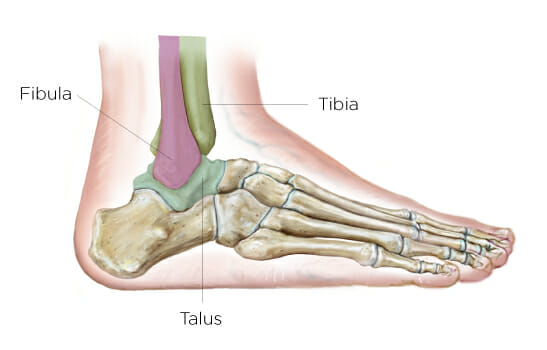
Your ankle joint consists of three bones: the bottom of the tibia (or shinbone), the bottom of the fibula (the smaller leg bone) and the talus (the bone right below your leg bones). An ankle fracture can involve one, two or all three bones. If you have multiple fractures in the bones, bone fragments are dislocated or a fractured bone tears through skin, you will need surgery.
Calcaneus Fractures
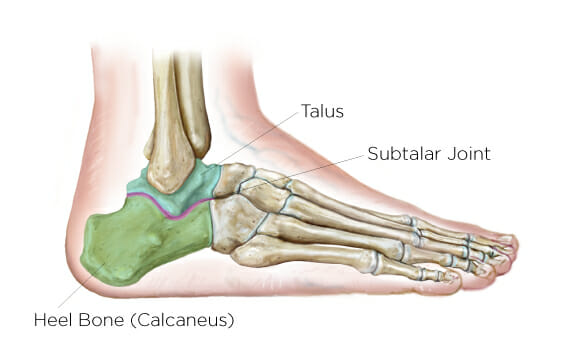
Your calcaneus is your heel bone. Calcaneus fractures are uncommon and usually happen during a crush injury, such as a high fall or a car accident, where your body weight compresses the heel bone flat and wide. Fractures in your heel often damage the joint and cartilage, and you need surgery to ensure your foot heals properly.
Lisfranc Injuries
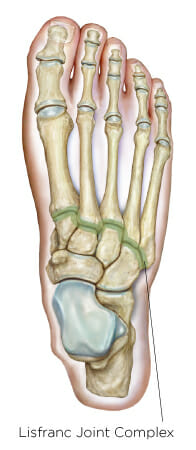
The metatarsal bones in the middle of your foot are connected by the Lisfranc joint complex, which includes strong ligaments. Dislocated and broken bones or torn ligaments in this area of your foot can lead to problems walking. ORIF is often recommended for severe Lisfranc injuries or fractures.
How ORIF Is Performed
ORIF is usually performed quickly after your fracture occurs. This type of trauma surgery may be an emergency or urgent procedure, or it may be scheduled for a few days after the break to allow swelling to decrease. The surgery is performed under general anesthesia.
During the surgery, your surgeon makes an incision in your skin, carefully realigns the dislocated bones and secures them in place using hardware. Once the bones are stabilized, the surgeon stitches up the incision and bandages your foot.
Some patients may have this surgery as an outpatient procedure, while others may need to stay in the hospital for a day or two for monitoring. Like any surgery, ORIF has some risks, such as infection or unexpected bleeding. However, your risk of long-term pain and complications is significantly higher if the fracture is not treated properly with surgery.
What to Expect After Surgery
Every patient’s recovery will look slightly different, depending on the severity of your fracture, your overall health and other concerns. However, for most patients, ORIF recovery will follow a similar process.
Rest
You will not be able to put weight on your broken foot for six to eight weeks after surgery. Some patients may need to stay off the injured foot for even longer.
During this time, you will need crutches, a walker or another assistive device to help you get around. If the injury is on your right foot (or if you drive a manual transmission car), you cannot drive during this time.
Immobilization
Your foot will be immobilized in a cast, splint or boot. Over time, you’ll likely transition from a cast or splint to wearing a boot. Even after you’re cleared to put weight on your foot, you may need to keep wearing the boot for several more weeks to provide support as you recover.
Physical Therapy and Follow-up Care
Most patients start physical therapy six to eight weeks after surgery. The length and intensity of your physical therapy will depend on your injury and physical health before surgery.
Throughout your recovery, you will have several follow-up visits with your surgeon to monitor your progress. During these visits, your stitches will be removed and X-rays will be take to see how your bones are healing. Your Summit Orthopedics team will let you know how frequently to expect appointments and monitoring.
Recovering From Your Fracture
ORIF surgery is only the first part of your recovery after an ankle or foot fracture. Although most patients can return to normal activities after a few months, complete healing can take one to two years. Some patients may never regain a full range of motion or may be limited in future athletic activities.
Following your doctor’s care plan and performing physical therapy will help your chances of a pain-free and active life after a foot or ankle fracture that needs open reduction internal fixation.
Fracture Care at Summit Orthopedics
At Summit Orthopedics, ORIF surgery is performed with a commitment to excellence and personalized care. Our experienced orthopedic team uses advanced techniques to treat fractures and injuries, ensuring the best possible outcomes for your recovery. From pre-surgery preparation to post-surgery rehabilitation, we prioritize your health, comfort and long-term mobility.
Summit Orthopedics surgeons are available at nearly 30 convenient locations across the Minneapolis/St. Paul metro area, serving Minnesota and western Wisconsin. Our state-of-the-art, comprehensive orthopedic centers offer same-day appointments from a team of experts who offer the full scope of orthopedic care.
Find your Summit Orthopedics foot and ankle expert, request an appointment or call us at (651) 968-5201 to schedule a consultation.